

Planar Magnetic In-Ear Headphones
Planar magnetic headphones, also referred to as orthodynamic or Isodynamic, have earned a reputation among audiophiles for their incredible clarity and powerful bass.
They also tend to let lots of sound into the surrounding area, so they require a closed listening area and can disturb those who are around you. However, they can provide outstanding sound for an affordable price.
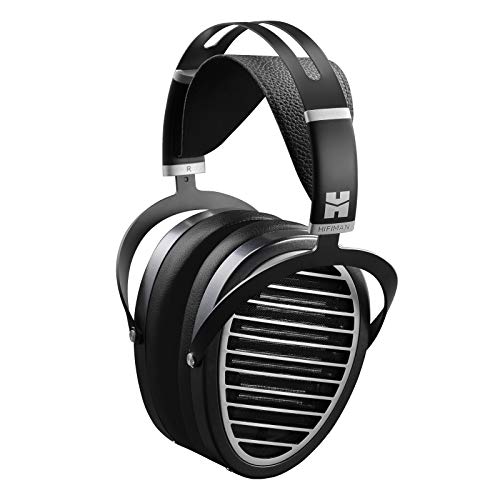
Open or closed back?
Planar magnetic headphones are a popular choice by audiophiles and it's clear why. The top models are able to deliver amazing clarity and detail without sounding unnatural. However, these headphones can be expensive and often require a headphone amplifier to drive them. In addition, their open-back designs bleed sound and let in the surrounding noise. If you're looking for a pair of planar headphones, it's important to consider your preferences in listening and habits before making a choice.
Begin by deciding if you'll use headphones for audiophile or casual listening. You'll also want to take into consideration your personal preference and whether you prefer a closed or open back design.
Planar magnetic headphones have always had a distinct advantage in the bass department compared to dynamic driver headphones, since they can reproduce frequencies down to around 20hz, while dynamic driver headphones are able to reproduce frequencies at around 50hz. This difference has decreased in the past few years as manufacturers have redesigned the diaphragms of their headsets and made them lighter.
As a result, many affordable planar magnetic headphones shy away from the deepest bass and focus on clarity in the mids and highs. These headphones might not have the same punch and rumble, which can be a challenge for some listeners.
One exception to this is the HiFiMAN Venus over-ear headphones which are closed-back and feature a single-sided diaphragm. This means they don't reach quite as low but still provide rich sub-bass and engaging texturing.
In the end, the type of headphone that you choose will depend on your preferences for listening and your budget. If you're going to be listening to music on your laptop at home and have an open-back pair, an open-back pair headphones with a planar design will likely be ideal, while a closed-back option will be suitable for use when you're on the move. If you'll use headphones to play games an open-back model such as the Audeze LCD-2 Classics might be superior to a closed-back model like the HiFiMan Susvara 2020. If you're a lover of music then any of these headphones will provide the entire audio spectrum and the exceptional clarity you're seeking.
Bass response
Planar magnetic headphones utilize an entirely different method of producing audio that is different from traditional dynamic driver in-ear monitors (IEM). Instead of one magnet pushing the diaphragm, these headphones utilize two magnetic fields sandwiched between an electrified film. This creates a wider and more natural sound wavefront with less distortion. This also allows for a faster response time and a greater frequency range than traditional dynamic drivers.
The difference is evident in the bass response. High-end dynamic headphones can reach 20hz, but most planar headphones can be able to go deeper and with less distortion. This is an enormous benefit for audiophiles and lets them have the best in-ear monitoring experience.
Another way that planar headphones can improve the audio quality is by imaging. Dynamic drivers only vibrate the diaphragm part that is connected to the voice coil. This can cause small distortions which change the intended audio reproduction. Planar drivers, on the other hand will produce a more expansive soundstage as their entire diaphragm is vibrating when an audio signal is received. This lets headphones accurately reproduce the stereo balance, transparency, and position of instruments in the manner intended by the audio producer.
The drawback is that open-back headphones such as the HIFIMAN Ananda and the Monoprice M1070 aren't able to create a sound barrier, so everyone within your proximity can hear your music. But, this is a small trade-off for the amazing detail and clarity you'll be able to experience.
Since they have two magnetic fields opposing each other, planar headphones do leak more than traditional open-back dynamic headphones. This is problematic for people who prefer to listen to in a quiet environment or are concerned about disturbing other people. If you're concerned about leakage, you can mitigate the problem by using earpads that wrap around your ears to provide additional isolation.
Sensitivity
Planar headphones are different from traditional dynamic drivers that have cones or a speaker dome behind which the voice coil is vibrating. They have thin membranes that are printed with conductors. These membranes are strung on magnetic arrays to move them at lightning-fast speeds. This allows them to deliver high-frequency response that most moving-coil headphones struggle with, and an unbeatable bass that's clear and deep to the lowest frequencies.
The cheapest planar magnetic headphones can be excellent for listening at low frequencies, but they often lack the acoustic precision that makes them ideal for mixing or hifi. The diaphragms' flatness makes it impossible to drive them in a symmetrical manner like a moving coil headphone. To get the best treble performance from a pair of planars, it's often necessary to spend more than $500.
Boutique audio brands typically provide models that are affordable and sound great. One example is the Meze Elite, a pair of closed-back headphones which utilize a single-sided magnetic array to provide a more immersive listening experience. They have a 90dB sensitiveness and a 35ohm resistance, which should be compatible with the majority of consumer-grade devices. They are also available in a stunning range of exotic woods and materials, making them look as luxurious as they sound.
The HiFiMAN H-560s, for example can be up to 30 percent lighter than competitors thanks to a unique magnetic structure and a variety of other design innovations. This includes a patented shape that reduces wave diffraction, which means they are able to be driven more efficiently while causing less distortion than standard double-sided designs.
The HE-560s are more expensive because of many of the same advancements. If you're willing to pay more, you'll be able to enjoy an array of musical experiences. From the low-frequency rumbles of a thunderstorm to the shimmering of the cymbals on your favorite track. A good set of planars can transform your music with their stunning sound. It is essential to choose the right model that fits your budget and requirements.
Comfort
Upgrade to a pair of premium headphones if you like listening to music. The best planar magnetic headphones provide clarity and detail that you won't find in lower-end headphones. No matter if you go with an over-ear model such as the HiFiMan Sundara or an in-ear model with a portability such as the CCA PLA 13, these headphones can bring new life to your most loved songs.
However, these headphones can be heavy due to their large ear cups, and usually require an amplifier for the headphone separately. Many boutique headphone brands have created headphones to address these issues and deliver amazing sound in a lightweight package. The OPPO pm-3, for example is a light, closed-back planar magnet headphone that comes with a selvedge jean-carrying case.
Due to their large earcups, many planar magnetic headphones are bulky and uncomfortable to wear for long periods of time. However, the majority of models provide ample padding and are calibrated to the clamping force to ensure an ideal fit. The OPPO PM-3 does not disappoint, with ultra-soft earpads and suspension bands that evenly disperse weight evenly across the head.
Planar magnetic driver systems, unlike dynamic drivers, use large flexible diaphragms for mid-range and bass sounds. They can move larger amounts of air than their more rigid counterparts without experiencing the massive excursions that damage and cause warping to traditional dynamic drivers. This leads to an extremely smooth and broad frequency response and an impressive bass depth.
Another advantage of planar magnetic headphones is their lower distortion and greater efficiency than the majority of dynamic headphones. This makes them perfect for listening at loud volume without sacrificing comfort or detail. Some headphones require an external headphone amplifier but most are designed to work with any audio source.
The final decision on whether or not planar headphones with magnetic in ear are worth it depends on your personal preferences and budget constraints. The best headphones for planar are capable of reproducing incredible bass and detail without ever slipping into distortion. However they can be costly to drive and require more power. In addition, they often come with open-back designs that allow for bleed of noise and can let in ambient sound.